
 By
By 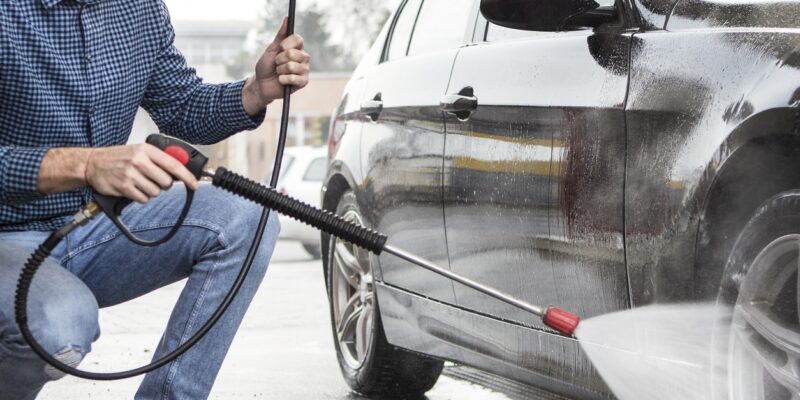
Keeping your car clean is about more than aesthetics. Regular washing helps protect paintwork, prevent corrosion, and maintain the vehicle’s value over time. Pressure washers have become a popular tool for car cleaning because they can remove dirt, road grime, and contaminants far more efficiently than a standard hose. However, using the wrong pressure can damage paint, trim, or delicate components. Understanding safe pressure levels is essential before using a pressure washer on your vehicle.
If you’re considering investing in specialised car pressure washers, it’s helpful to understand how pressure works, what PSI ranges are safe, and how to clean your vehicle effectively without causing damage.
Understanding PSI in Pressure Washing
PSI stands for pounds per square inch, and it measures the force of water coming out of a pressure washer. The higher the PSI, the stronger the water pressure.
Pressure washers used around the home can range from around 1000 PSI to more than 3000 PSI. While high pressure may be ideal for cleaning concrete driveways or removing stubborn stains from outdoor surfaces, it can be far too aggressive for automotive paint.
Car paint systems consist of multiple layers, including primer, base coat, and a clear coat that protects the finish. Excessive pressure can strip or chip these layers, leading to costly repairs.
The Ideal PSI Range for Washing Cars
For most vehicles, the safe PSI range for washing is typically between 1200 and 1900 PSI.
This level of pressure is strong enough to remove dirt and road grime but gentle enough to avoid damaging the vehicle’s finish.
Here is a general guideline:
- 1200-1500 PSI: Ideal for regular car washing and safe for most vehicles
- 1500-1900 PSI: Effective for heavily soiled vehicles but should be used carefully
- Above 2000 PSI: Generally considered too strong for automotive paint unless used with extreme caution
Professional detailers often prefer machines around 1,300-1,600 PSI because they provide an effective balance between cleaning power and safety.
Why Too Much Pressure Can Damage Your Car
Many people assume that stronger pressure will simply clean faster. In reality, excessive PSI can cause several issues.
- Paint Damage: High-pressure water can chip or strip paint, especially on older vehicles or areas where paint has already weakened.
- Clear Coat Erosion: The clear coat protects the paint from UV damage and environmental contaminants. Strong water pressure can wear away this protective layer over time.
- Trim and Seal Damage: Rubber seals, window trims, and badges are more delicate than painted surfaces. High pressure can loosen or tear these components.
- Water Intrusion: Directing very high pressure at panel gaps, mirrors, or door seals can force water into areas where it shouldn’t be, potentially causing electrical or mechanical issues.
The Importance of Distance and Technique
PSI is not the only factor that determines how safe pressure washing is for your car – the distance between the nozzle and the surface also plays a major role. A safe starting distance is typically 30 to 45 centimetres from the vehicle’s surface.
As you clean, you can adjust slightly closer if necessary, but avoid holding the nozzle too near to the paint. Other helpful technique tips include:
- Always spray at a slight angle rather than directly perpendicular
- Keep the nozzle moving continuously
- Avoid concentrating pressure on one spot
- Work from the top of the vehicle downward
These habits reduce the risk of damaging paint while still delivering excellent cleaning results.
Choosing the Right Nozzle
Pressure washers usually come with interchangeable nozzles that change the width and intensity of the spray pattern. For washing cars, wider spray angles are safer and more effective. Common nozzle types include:
- 40-degree nozzle (white): Ideal for gentle rinsing and general car washing
- 25-degree nozzle (green): Suitable for tougher grime but still safe when used carefully
- 15-degree or narrower: Generally too aggressive for automotive paint
Wider spray patterns distribute water more evenly and reduce the risk of concentrated pressure causing damage.
Foam Cannons and Pre-Washing
One of the safest and most effective ways to wash a car with a pressure washer is by using a foam cannon. Foam cannons attach to pressure washers and apply thick, clinging car shampoo that softens dirt before rinsing (this process reduces the need for high pressure and aggressive scrubbing).
A typical safe process looks like this:
- Rinse the vehicle with low pressure to remove loose debris
- Apply foam using a foam cannon
- Allow the foam to dwell for several minutes
- Rinse the vehicle again with moderate pressure
- Hand wash using a microfibre mitt if necessary
- Perform a final gentle rinse
This method significantly reduces the risk of scratches and swirl marks.
Electric vs Petrol Pressure Washers for Cars
Both electric and petrol pressure washers can be used for washing vehicles, but electric models are often preferred for car care.
Electric pressure washers typically produce lower PSI and provide better control, making them safer for paintwork. They are also quieter, lighter, and easier to use around the home.
Petrol-powered units, while extremely powerful, are usually designed for heavy-duty tasks such as cleaning driveways, decks, and industrial equipment. Their higher PSI can make them riskier for automotive use unless the pressure can be adjusted precisely.
Additional Tips for Safe Car Pressure Washing
To achieve the best results without risking damage, consider the following practical tips:
- Wash the car in the shade to prevent soap from drying too quickly
- Avoid spraying directly at badges, sensors, or cameras
- Never spray directly into engine bays or exposed electronics
- Use dedicated car shampoo rather than household detergents
- Dry the vehicle afterwards with a clean microfibre towel
These simple habits can dramatically improve cleaning results while protecting the vehicle’s finish.
When a Pressure Washer Might Not Be the Best Option
While pressure washers are incredibly useful, they may not always be necessary. Light dust, pollen, or minimal dirt can often be removed safely using a standard hose and a soft wash mitt. If a vehicle has recently been polished, ceramic coated, or wrapped in vinyl, it’s worth checking manufacturer recommendations to ensure pressure washing is safe for that particular finish.
The Bottom Line
Pressure washers can be a powerful and efficient way to clean a vehicle, but understanding the correct PSI is critical. For most cars, a pressure range between 1200 and 1900 PSI provides an excellent balance of cleaning power and safety. Combined with proper technique, the right nozzle, and sensible washing habits, pressure washing can deliver professional-quality results at home without damaging paint or trim.
By choosing the right equipment and using it carefully, you can keep your vehicle looking its best while protecting the finish for years to come.








Comments