
 By
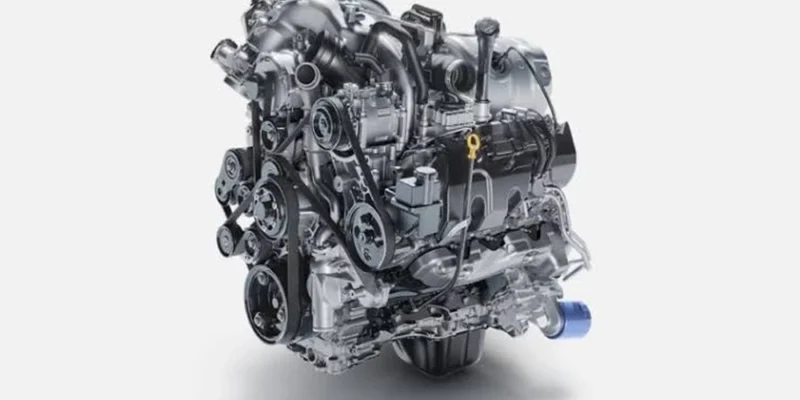
Diesel injection systems are essential for delivering fuel to an engine at the correct pressure, timing, and quantity. Their performance directly affects fuel economy, engine power, emissions, and starting ability. Regular maintenance can prevent many fuel-system problems, while proper restoration can help recover the performance of worn injection components.
Because these assemblies operate under intense pressure and strict tolerances, understanding how to properly care for and service modern diesel injection systems is essential for preventing premature component wear and maintaining peak operational efficiency.
Understand the Signs of Wear
The first step in maintaining a diesel injection system is recognizing possible warning signs. Problems may develop gradually and become more noticeable as components wear or become contaminated.
Common signs include:
- Difficult or delayed engine starting
- Uneven or rough engine operation
- Reduced acceleration and power
- Increased fuel consumption
- Excessive exhaust smoke
- Unusual sounds from the fuel system
Identifying these symptoms early can help prevent further damage to related engine components.
Keep Fuel Clean
Using uncontaminated diesel helps reduce wear and damage to sensitive parts within the injection system. Dirt, water, and other contaminants can damage injectors, pumps, and valves. Regularly replacing fuel filters according to the manufacturer’s maintenance schedule helps reduce the amount of contamination entering the injection system.
The fuel tank should also be inspected periodically for signs of water, sediment, or corrosion. If contamination is discovered, the affected fuel should be removed and the system cleaned appropriately.
Inspect Injection Components
Injection components should be checked regularly for leaks, physical damage, and signs of excessive wear. Injectors can develop problems such as poor spray patterns or improper fuel delivery, while pumps may experience internal wear that affects pressure.
Professional testing equipment can measure injection performance more accurately than a visual inspection alone. Testing helps determine whether a component requires cleaning, adjustment, repair, or replacement.
Clean and Restore Worn Components
When injection components become contaminated or worn, restoration may be possible. The affected parts are first removed and cleaned using methods suitable for their construction.
Precision components such as injector nozzles, plungers, delivery valves, and springs should be inspected carefully. Parts that remain within acceptable specifications may be reused, while damaged or excessively worn components should be replaced with compatible parts.
Restoration should always be carried out by technicians with the appropriate equipment and knowledge because incorrect assembly or adjustment can affect engine performance.
Calibrate After Repairs
Calibration is an important part of restoring a diesel injection system. After components have been cleaned or replaced, the system should be tested to verify fuel delivery and operating pressure.
Proper calibration ensures that the injection components work according to the engine’s required specifications. This can help restore consistent combustion and reduce problems caused by excessive or insufficient fuel delivery.
Follow Preventive Maintenance
Preventive maintenance can extend the service life of diesel injection systems. Operators should follow the engine manufacturer’s recommendations for fuel-filter replacement, inspections, and other scheduled services.
Using suitable fuel, avoiding contaminated storage conditions, and addressing minor problems early can also reduce the risk of expensive repairs.


Comments