
 By
By 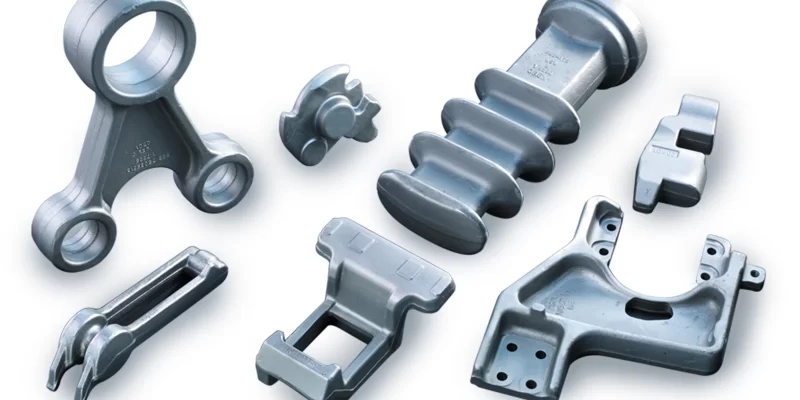
Automotive engineering has always been a balance of performance, durability, and efficiency. One of the most critical components ensuring smooth power delivery in vehicles is the differential—a mechanism that allows wheels on the same axle to rotate at different speeds during cornering. At the heart of this system are gears that must endure immense torque, friction, and fluctuating loads. The choice of gear manufacturing method directly affects the performance of the differential, and in modern automotive applications, forged gears stand out as the superior option.
The Role of the Differential in Vehicle Efficiency
When transferring power from the driveshaft to the wheels, the differential compensates for changes in wheel rotation. When an automobile turns, for instance, the outer wheel goes farther than the inner wheel. Without a differential, this imbalance would cause excessive tire wear, reduced handling performance, and mechanical stress. Inside the differential, gears—typically bevel or hypoid gears—manage these adjustments seamlessly. The efficiency of the differential depends heavily on the precision, strength, and durability of these gears.
Why Forging Matters in Gear Production
Gears can be manufactured using several methods, including casting, machining, and powder metallurgy. However, forging provides a distinct advantage by altering the metal’s grain structure during the process. When a blank is forged, the grains of the metal are compressed and aligned to follow the shape of the gear. This creates a denser, tougher microstructure compared to other manufacturing methods.
This structural improvement translates into several benefits:
- Increased Strength: Forged gears resist bending and fatigue under heavy torque.
- Enhanced Toughness: They withstand shock loads that occur during sudden acceleration, braking, or off-road driving.
- Improved Wear Resistance: The dense surface reduces pitting and scuffing, common in high-friction environments.
For differentials, where gears face constant stress and must transmit torque smoothly, these properties are invaluable.
Efficiency Gains from Forged Gears
Efficiency in an automotive context is not just about reducing fuel consumption; it also means minimizing energy loss in mechanical systems. Forged gears play a pivotal role in achieving this.
Reduced Friction Losses
Forged gears can be finished with higher precision due to their consistent material properties. Improved surface quality lowers heat generation and energy losses by reducing friction between meshing gears.
Tighter Dimensional Accuracy
Because forging refines the structure and shape, gears require less post-processing to achieve desired tolerances. This ensures more consistent gear meshing, minimizing backlash and improving torque transfer efficiency.
Improved Load Distribution
The consistent distribution of load across the teeth is made possible by the increased durability of forged gears. This reduces localized stress points, helping the differential operate smoothly under varying conditions.
Longer Service Life
Efficiency is also a matter of lifecycle cost. Forged gears last longer than cast or powdered gears, reducing maintenance intervals and extending the operational life of the differential. For automotive manufacturers and end users alike, this reliability contributes to overall efficiency.
Applications in Modern Automotive Engineering
Forged gears are particularly important in vehicles designed for demanding applications. Differentials that can tolerate abrupt torque spikes and difficult terrain are essential for off-road vehicles, heavy-duty trucks, and high-performance sports cars. Even in passenger cars, efficiency improvements from forged gears contribute to better fuel economy, reduced emissions, and enhanced driving comfort.
As automotive trends move toward electrification, the demand for efficient and durable drivetrain components becomes even more significant. Electric vehicles (EVs) produce instant torque, which places additional stress on differential gears. Forged gears are well-suited to handle these challenges, ensuring that EVs deliver both performance and longevity.
The Role of Industry Expertise
Producing forged gears for automotive differentials requires specialized knowledge and equipment. A trusted mechanical parts manufacturer must not only have advanced forging capabilities but also the ability to provide precision machining, heat treatment, and quality control. These procedures guarantee that each gear satisfies the high requirements of the automobile sector.
Additionally, companies that offer custom metal forging services can tailor gears to unique vehicle requirements. Whether it is optimizing tooth geometry for quieter operation, enhancing surface treatments for wear resistance, or adapting designs for new-generation electric drivetrains, customization ensures maximum efficiency and performance.
Conclusion
Automotive differentials are essential for delivering power, stability, and handling to vehicles. The gears within them bear constant loads and must perform reliably under all conditions. Forged gears, with their superior strength, toughness, and precision, significantly improve differential efficiency. They reduce friction, enhance durability, and extend service life—all while supporting the demands of modern and future vehicles.








Comments