
 By
By 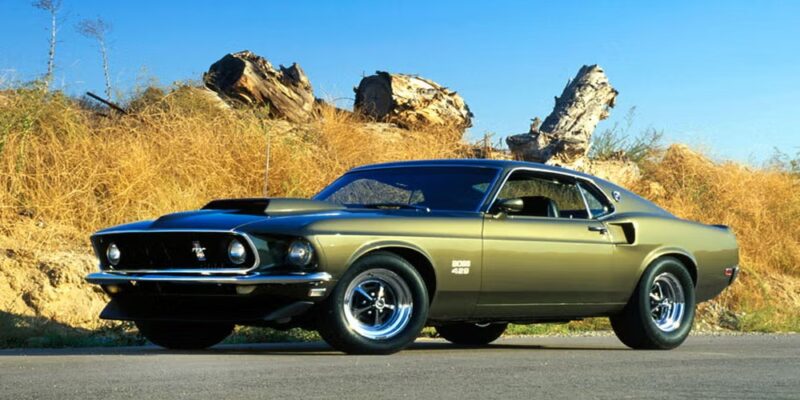
Introduction
Classic muscle cars, born primarily in the 1960s and 1970s, were more than just vehicles; they represented power, freedom, and personal identity. Known for their strong appearance and high-performance engines, these cars created a lasting impact on the automotive industry. Even today, their influence can be clearly seen in the design and engineering of modern vehicles across different segments, with examples like the legendary Shelby GT500 performance continuing to inspire modern automotive innovation.
Iconic Design Proportions
One of the most visible ways classic muscle cars influence modern design is through their shape and proportions. Long hoods, short rear sections, and wide body structures were key features of those early performance machines. Modern designers often use these proportions to give cars a powerful and balanced look. This approach helps create a sense of motion and strength, even when the car is stationary.
Bold and Aggressive Styling
Another important influence is the use of bold and aggressive styling. Classic muscle cars had sharp lines, sculpted surfaces, and large front grilles that gave them a commanding road presence. Today, these elements are redesigned using advanced materials and improved aerodynamics. The goal is to maintain the strong visual appeal while also improving efficiency and performance.
Evolution of Lighting Design
Lighting design also reflects inspiration from the past. Older models used simple round or rectangular lights, which have now evolved into modern LED systems. However, designers still try to maintain a distinctive look that connects with earlier styles. This helps create a unique identity for each vehicle while preserving a sense of tradition.
Performance Legacy
Performance remains a central area of influence. Classic muscle cars focused on powerful engines and fast acceleration. Modern vehicles may use newer technologies like turbochargers or electric systems, but the aim of delivering an exciting driving experience continues. Engineers work to ensure that speed, control, and responsiveness remain key aspects of vehicle performance.
Interior and Driver Experience
Interior design has also adopted elements from classic models. Clean dashboards, easy-to-read gauges, and driver-focused layouts are being reintroduced. Although modern cars include digital displays and advanced features, these vintage touches add character and familiarity to the driving experience.
Cultural and Market Influence
In addition, classic muscle cars continue to influence automotive culture and consumer preferences. Many buyers are drawn to vehicles that reflect a sense of heritage and timeless design. Car manufacturers understand this demand and often combine retro styling with modern comfort and safety features. This blend allows drivers to enjoy both nostalgia and innovation in a single vehicle.
Conclusion
In conclusion, classic muscle cars continue to shape modern automotive design in many ways. Their legacy is visible in styling, performance, and overall driving experience. By combining traditional design ideas with modern technology, today’s vehicles successfully carry forward the spirit of an important era in automotive history. Their influence is expected to remain strong as automotive design continues to evolve in the future.







Comments