
 By
By 
Ford Mustang is considered to be one of the most popular American muscle cars of all time with its style and performance. However, as with any automobile going down the assembly line in large quantities and through several generations, the car acquired certain repetitive mechanical and structural problems, making Essential maintenance for classic Mustangs a critical focus for owners who want to preserve reliability and long-term value.
Leaks Everywhere!
Leaking can be considered one of the most frequently reported problems in a wide range of Mustang model years, be it in the cabin, engine bay, or underneath the car. Poor sealing or deteriorated insulation around doors, windows, and convertible tops leads to some leaks, letting rainwater into the interiors. This may be solved by changing worn weatherstripping or by sealing panels to keep moisture out.
More severe leaks may take place under the hood like oil or coolant dripping off engine parts, hoses or transmission lines. These leaks are not only messy, but they may cause overheating or even damage to the engine when they are not addressed. The best remedy will be to have defective tubing, seals, or gaskets replaced with new ones during routine services.
Creaking Steering and Suspension.
A lot of Mustang owners complain of being able to hear chirping or squeaking sounds when turning or travelling on rough roads. The noise, which is of wear on the outer tie rods of the steering system and in the suspension parts, struts, shocks, and bushings, is often heard.
In older models and in the early generations the tie rod may be worn and therefore audible during stress, particularly when negotiating sharp turns. This is a popular repair option to ensure the replacement of these tie rods. In other instances, basic greasing can alleviate the squeaks, but in other severe wear conditions, replacing parts is necessary in order to get back on track with smooth moving and avoid further damage.
Transmission Issues
One of the most costly Mustang issues to solve may be transmission problems. Other owners complain of grinding throughout the shifts, inability to reach the gears, or stalling during acceleration-which are signs of damaged transmission internals or clutch parts.
These problems are particularly common in specific model years thus a proper diagnosis before purchase and maintenance after the ownership is significant. Repair also involves transmission overhaul or rebuilds in most instances. In case of heavy usage, lost gears or syncs can be replaced to regain a good shift.
Electrical Glitches
Mustangs- particularly some of the models of the early and mid 2000s- also have a problem with electrical inconsistencies. The most common complaints are faulty instrument gauges, intermittent battery drains, dysfunctional headlights, short-circuits, or random check engine lights.
The easiest solutions are often simply changing worn-out gauge motors or inspecting and changing blown fuses which have an effect on lights or accessories. In more complex electrical failures, professional scanning can be used to identify faulty wiring, sensors or connectors.
Engine Malfunctions and Abnormalities.
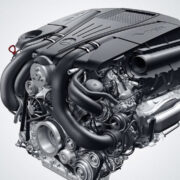
Lastly, engine problems are still one of the most feared Mustang issues. The aged Mustangs are also known to have engine and powertrain breakdowns every now and then, such as rough idling, misfires, or unforeseen shutdowns.
These defects can be based on damaged sensors, ignition parts or problems in fuel delivery. Proactive is the best form: frequent engine check-up, inspecting of vacuum leaks, replacement of old spark plugs and filters and belts as a routine maintenance measure. Severe problems with the powertrain often need the intervention of a professional, such as the replacement of the major parts of the engine.









Comments